By Brian · August 24, 2026
10 Christmas Decorating Mistakes That Make a Home Look Cluttered
Most Christmas decor problems are not about owning the wrong things. They are placement and restraint problems, and every one of them has a cheap fix. The ten mistakes we see most, and what to do instead.
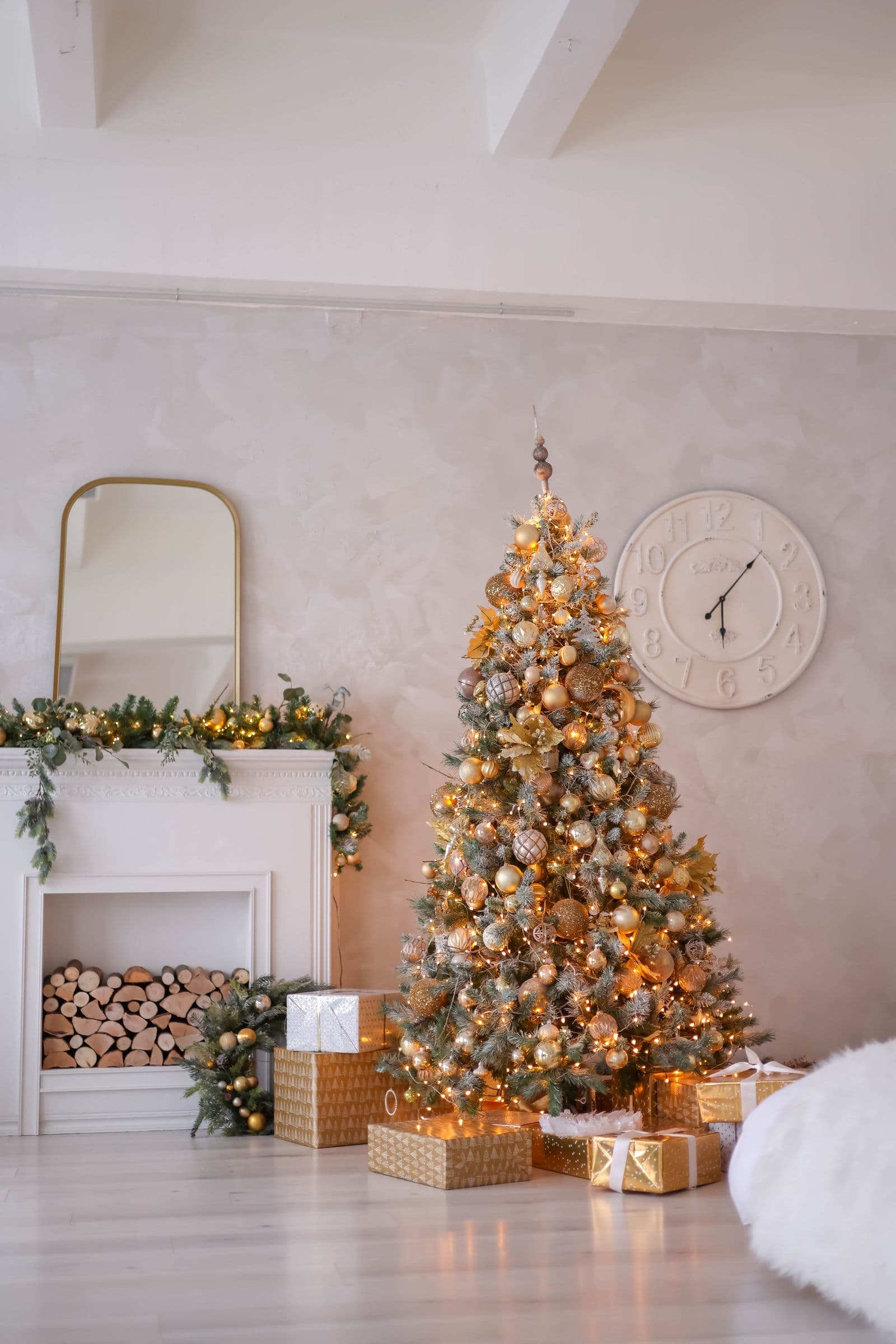
Almost every cluttered Christmas house has the same problem, and it is not taste and it is not budget. It is that the decorating happened one small decision at a time, each one reasonable, with nobody ever looking at the whole room.
The good news is that the mistakes this produces are extremely consistent. We see the same ten over and over, and none of them costs much to fix. Most of them cost nothing, because the fix is moving or removing things you already own.
1. Buying small things instead of concentrating
A figurine here, a mini sign there, a candle in every room. Each purchase felt harmless, and together they are the number one reason a home reads as cluttered instead of decorated.
Scale is what the eye actually registers. One full 9-foot garland on the mantel does more than twenty small objects spread through the house, and usually costs less than they did combined. When you are tempted by anything under six inches tall, ask where it joins a bigger moment, and if the answer is "it will find a spot," put it back.
2. Mixing warm white and cool white lights
The most common lighting mistake in America, and the easiest to see from the street. Warm white reads golden and traditional. Cool white reads icy and modern. Both are fine choices. Side by side, each makes the other look like a mistake.
Check every strand before you buy, because packaging naming is loose. If you inherited a mixed collection, split it: one temperature indoors, the other for a tree in the yard where the two never share a sightline. Our Christmas lights buying guide covers which type belongs where.
Our pick
warm-white mini LED, green wire, long run
One long connectable run in a single temperature solves the mixed-strand problem for a whole tree.
3. Decorating every surface
If the mantel, every sill, the coffee table, the console, the bookshelf, and the top of the piano all carry something, nothing stands out and the room shrinks. Empty surface is not wasted space. It is what makes the decorated spots land.
A useful discipline: pick the two or three moments the room should be about, usually the tree, the mantel, and one table, and decorate those fully. Everything else stays bare or nearly bare. This is the same principle our minimalist mantel guide applies to a single surface, scaled up to the room.
4. Running two color schemes in one sightline
Burgundy and gold in the living room is beautiful. Red and bright green in the hall is beautiful. If you can see both from the couch, neither works.
Walk the main sightline of your home, the view from wherever people actually sit, and note every decorated spot you can see at once. Those spots share one palette: two or three colors plus one metal, repeated. Rooms behind doors are free to differ. Our traditional color schemes guide has combinations that work if you are starting from scratch.
5. A skirtless tree, or a bare stand
The stand is the one part of the tree nobody chose, and leaving it exposed undoes the work above it. A tree can carry a hundred dollars of ornaments and still look unfinished over three exposed metal legs and a power strip.
A skirt or a collar is the cheapest per-dollar improvement in the whole season. It hides the stand, the cords, and the floor plate in one move, and it gives presents somewhere to sit that looks deliberate.
Our pick
lined velvet Christmas tree skirt, 48-inch
6. Ornaments only at eye level
Almost everyone decorates the band of tree between their shoulders and their eyes, because that is what is comfortable to reach. The result is a dense stripe in the middle, sparse at the top, bare at the bottom, and it is instantly recognizable once you know to look.
Work in thirds instead: top third, middle third, bottom third, stepping back after each. Put larger ornaments low and deep, smaller ones high, and tuck a third of everything into the interior of the tree rather than the tips. The full method is in how to decorate a Christmas tree.
7. Visible cords everywhere
Orange extension cords across a walkway, a white cord taped down a colored wall, a power strip in the middle of the mantel garland. Cords are where good displays quietly fall apart.
Indoors, route cords behind furniture and down the back corner of the tree, and feed mantel garland from the nearest outlet along the baseboard, not across the face of the fireplace. Outdoors, cord color matters: green disappears in shrubs, brown in mulch. A timer at the outlet also means nobody is crawling behind the tree twice a day.
Our pick
outdoor christmas light timer / smart plug
8. Keeping everything you have ever owned
Decor collections only grow. Gifts arrive, clearance sales happen, kids make things, and twenty years later the boxes take a weekend to deploy and the result looks like an archive rather than a scheme.
You do not have to throw away the sentimental pieces. You have to stop displaying all of them at once. A good rule: everything sentimental goes on the tree, where mixed ornaments always work, and the rest of the house runs the current palette. The pieces that fit neither wait in the box for their year to come around again.
9. Decorating the outside in one weekend burst
Outdoor displays fail from ambition more than from effort. The whole plan goes up in one exhausting Saturday, three weekends before Christmas, and by the time the season peaks half the display has drooped, dimmed, or come loose, and nobody has the energy to fix it.
Stage it instead. Roofline and structural lights go up early in mild weather, wired and tested. Greenery and door decor follow. Inflatables and yard pieces land last, closest to the season. The month-by-month checklist sequences all of it, and the outdoor decorations guide covers what earns a place in each layer.
10. Treating takedown as the end instead of the setup
January is when next year's clutter is decided. Everything shoved into unlabeled boxes guarantees that next November starts with frustration, duplicate purchases, and decor chosen by whatever surfaces first rather than by plan.
Pack by zone with real labels, cull what you did not use, and store light strands wrapped rather than coiled. The hour this takes is the highest-leverage hour in the entire season. Taking Christmas down properly walks through the order that works.
The pattern behind all ten
Read the list again and one idea repeats: concentration beats coverage. Fewer, bigger moments in a disciplined palette, with the connective spaces left alone, is the whole difference between a home that looks decorated and a home that looks like December exploded in it.
You likely own everything a beautiful Christmas needs already. This year, deploy less of it, in fewer places, more deliberately, and see what happens.
Share this guide
Frequently asked questions
Why does my Christmas decor look cluttered?
How do you decorate for Christmas without it looking tacky?
How many Christmas decorations is too many?
Should Christmas decorations match throughout the house?
What is the biggest mistake people make with Christmas lights?
When should I fix a cluttered Christmas setup, before or after the season?
Keep reading
Christmas Decor Under $50 That Looks Expensive
Expensive-looking Christmas decor is a materials trick, not a budget trick. Velvet, brass, real-feel greenery, and warm light read as rich at any price. Seven under-$50 pieces that prove it, and the cheap tells to avoid.
Christmas Decor Ideas for Small Apartments: 20 Space-Saving Looks
Small apartments don't have to mean less Christmas. Twenty space-saving ideas for trees, garland, lights, and mantel substitutes that work in studios, one-bedrooms, and rentals where every square foot counts.
Christmas Tree Ornaments: How to Choose and Arrange Them (by Style)
How to decorate a Christmas tree that looks designed, not decorated. How many ornaments you actually need, the pro layering method, ornaments by decorating style, and the heirloom-vs-themed-tree question settled.
Prefer pen & paper?
The Christmas Planner
A 25-page printable kit covering budget, gifts, hosting, and decor, built on the same planning logic as this tool. Print it once, keep it in a binder, and reuse it every year.
Or grab 3 pages free first.
Decor that suits the home you have.
Seasonal decorating tips and the occasional new tool, straight to your inbox. One list, no spam.